



Eiweiß oder auch Protein ist ein essenzieller Nährstoff, den unser Körper täglich benötigt – sei es für den Muskelaufbau oder die Zellregeneration. Besonders Menschen mit einem aktiven Lebensstil, wie Sportler, aber auch Personen in Diätphasen oder mit erhöhtem Bedarf im Alltag, sollten auf eine ausreichende Eiweißzufuhr achten.
In diesem Artikel findest du eine kompakte Übersicht über die besten eiweißreichen Lebensmittel von tierischen bis hin zu pflanzlichen Quellen. Dazu gibt es praktische Tipps zur Anwendung im Alltag, Hinweise zur optimalen Eiweißaufnahme und Antworten auf häufige Fragen rund ums Thema Protein. Hier findest du das Wichtigste rund um proteinreiche Ernährung auf einen Blick!
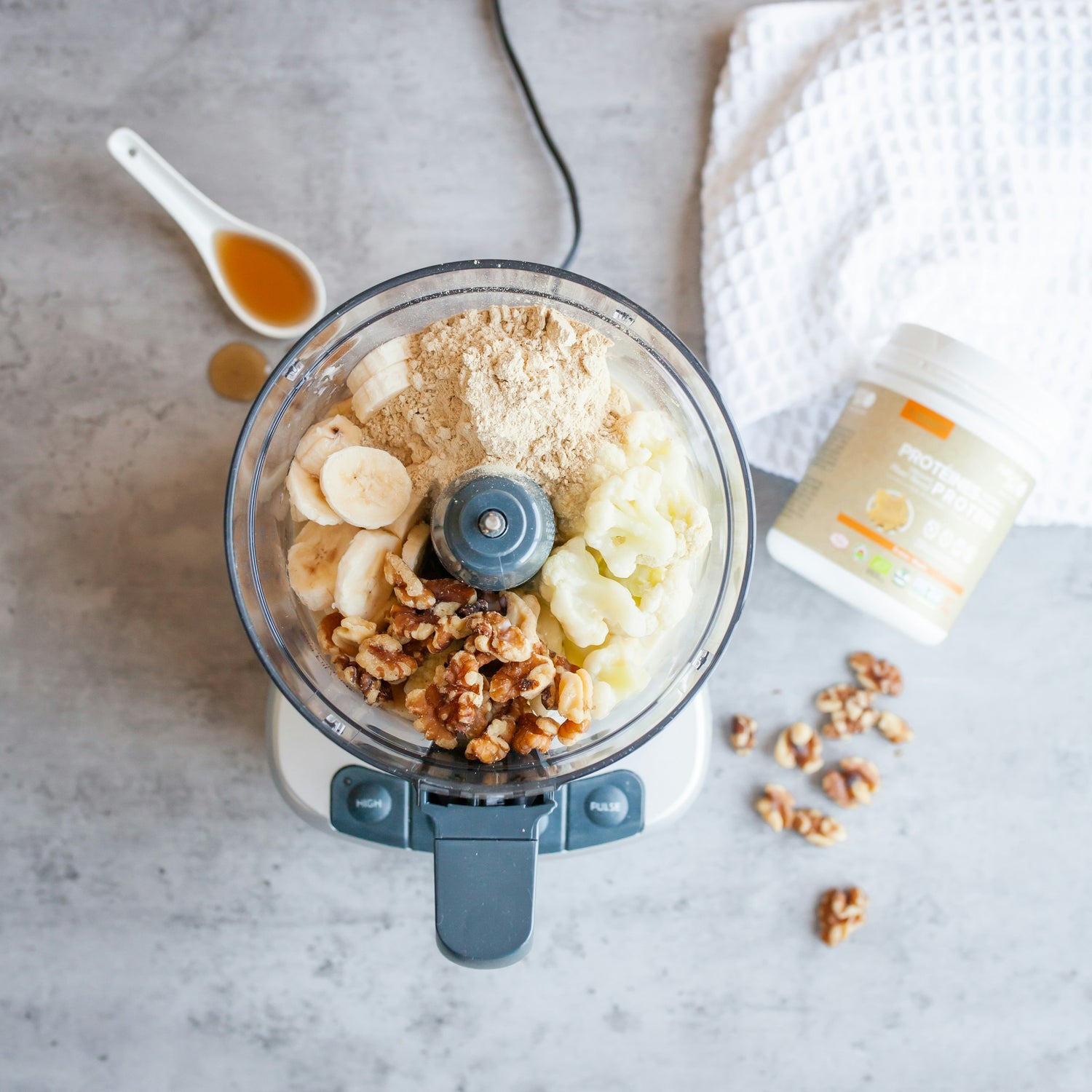
What are protein-rich foods?
Protein-rich foods contain a particularly high amount of proteins, i.e. macronutrients, which are essential for numerous bodily functions. These include meat, fish, eggs, dairy products and plant sources such as pulses, nuts and certain cereals.
Advantages of a high-protein diet:
-

Trägt zum Erhalt der Muskelmasse bei
-

Vielseitig einsetzbar in vielen Gerichten


| Food | Protein (g/100 g) | Typical portion | Category |
|---|---|---|---|
| Chicken breast | 31 | 1 small breast (~120 g) | beastly |
| Salmon | 20 | 1 fillet (~150 g) | beastly |
| Tuna (tin) | 24 | ½ tin (~100 g) | beastly |
| Eggs | 13 | 2 eggs (~120 g) | beastly |
| Low-fat quark | 12 | 1 cup (~250 g) | beastly |
| Greek yogurt | 10 | 1 cup (~150 g) | beastly |
| Cottage cheese | 11 | 3 tbsp (~100 g) | beastly |
| Beef (lean) | 26 | 1 steak (~150 g) | beastly |
| Turkey breast | 29 | 1 slice (~100 g) | beastly |
| Parmesan cheese | 36 | 1 piece (~30 g) | beastly |
| Mozzarella light | 18 | 1 scoop (~125 g) | beastly |
| Lentils (cooked) | 9 | 1 portion (~150 g) | vegetable |
| Chickpeas (cooked) | 8.9 | 1 portion (~150 g) | vegetable |
| Black beans | 8.5 | 1 portion (~150 g) | vegetable |
| Tofu | 12 | 1 block (~150 g) | vegetable |
| Tempeh | 19 | 1 portion (~100 g) | vegetable |
| Seitan | 25 | 1 portion (~100 g) | vegetable |
| Almonds | 21 | 1 handful (~30 g) | vegetable |
| Peanuts | 26 | 1 handful (~30 g) | vegetable |
| Chia seeds | 17 | 2 tablespoons (~30 g) | vegetable |
| Oat flakes | 13.5 | 1 bowl (~50 g) | vegetable |
| Quinoa (cooked) | 4.4 | 1 portion (~150 g) | vegetable |
| Amaranth (cooked) | 4 | 1 portion (~150 g) | vegetable |
| Soy milk | 3.3 | 1 glass (~250 ml) | vegetable |
| Skyr | 11 | 1 cup (~200 g) | beastly |
How much protein do you really need?
How much protein you need each day depends mainly on your body weight and lifestyle. Simple rule of thumb: 1.5 to 2 grams of protein per kilogram of body weight per day
-

Freizeitsportler
about 1.5 g/kg
-

sehr aktive Menschen
up to 2 g/kg or slightly more
-

Untrained or older people
at least 1.0-1.2 g/kg


A person with a body weight of 70 kg and regular strength training should
about 70 kg × 2 g = 140 g protein per day to consume
Protein requirement calculator
Enter your body weight and choose your goal:
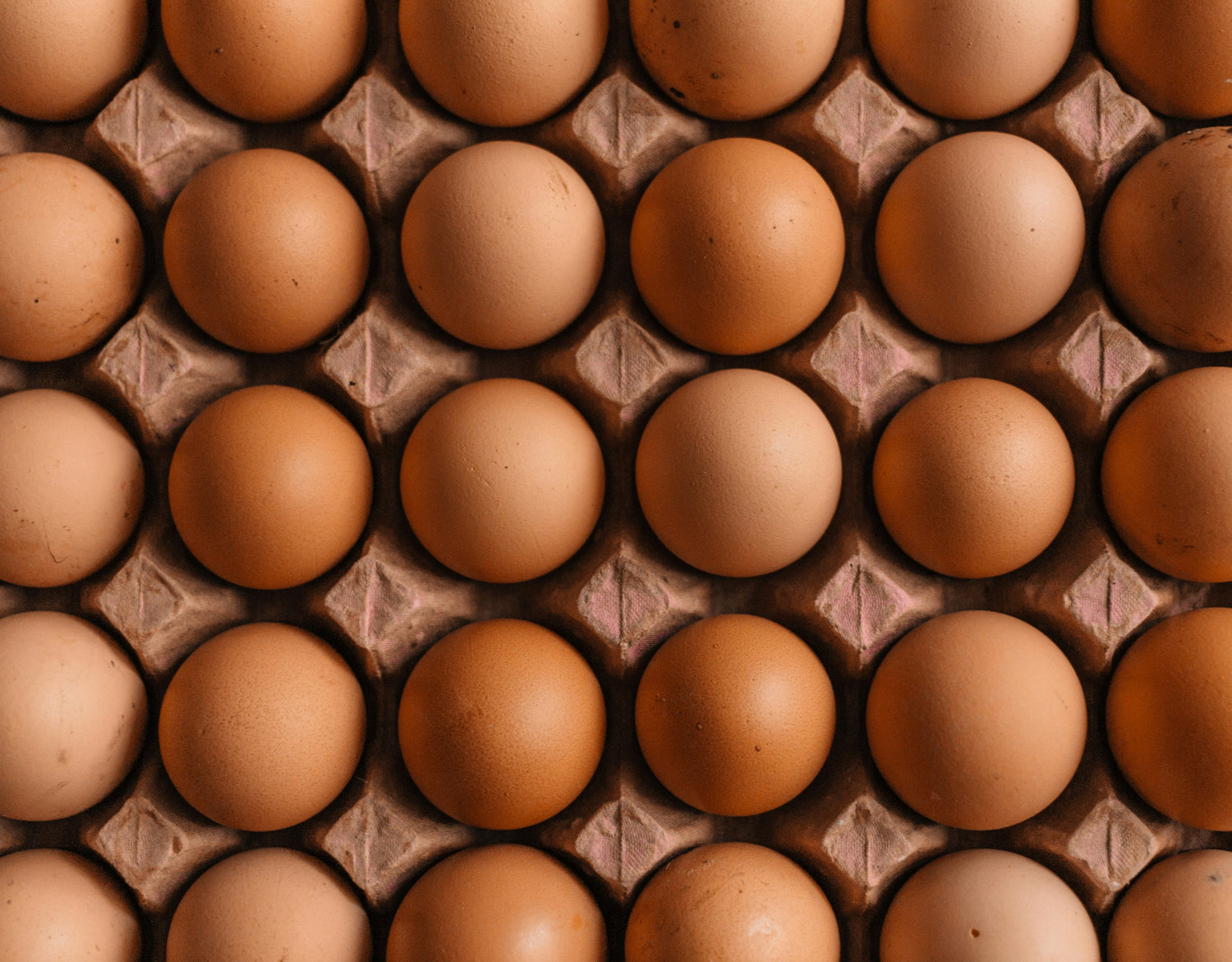
Plant vs. animal protein sources
Both plant and animal foods provide valuable protein, but with different properties. Here is a brief overview of the most important advantages and disadvantages of both protein sources:
| Feature | Animal protein sources | Vegetable protein sources |
|---|---|---|
| Biological value | High (e.g. egg, milk, meat) | Less, but can be combined (e.g. rice + beans) |
| Essential amino acids | Completely available | Partially incomplete |
| Digestion & absorption | Very good usability | Slightly slower |
| Accompanying substances | Often saturated fats & cholesterol | Dietary fiber, vitamins, antioxidants |
| Sustainability | Higher ecological footprint | Significantly more environmentally friendly |
| Suitable for vegans | No | Yes |
How to incorporate more protein into your everyday life
A high-protein diet doesn't have to be complicated or monotonous. A few simple tricks will help you to increase your daily protein intake without much effort:
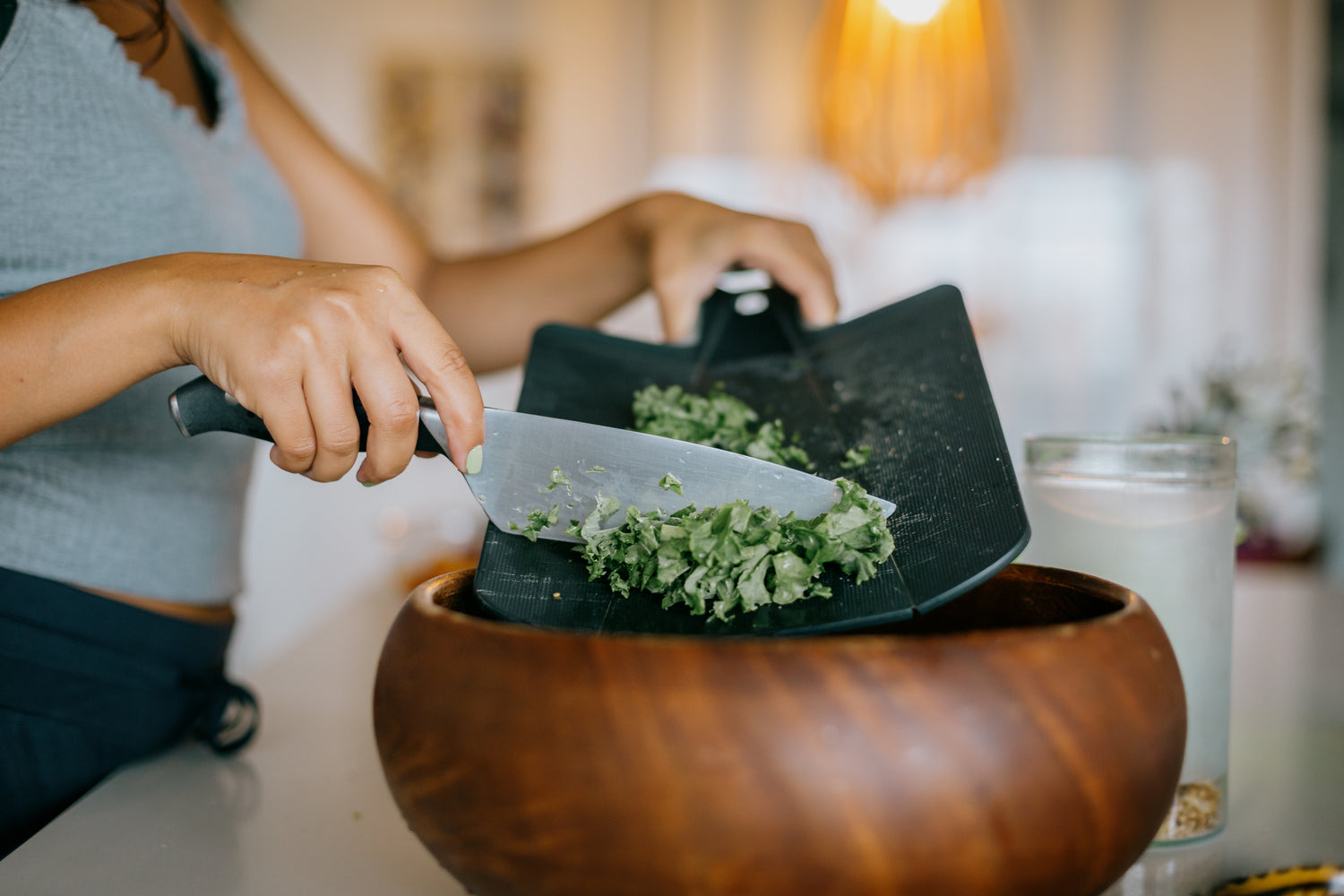
Meal prep tips:
- Prepare instead of improvising: Pre-cook larger quantities of protein-rich dishes such as chicken with quinoa or lentil curry
- Basics always in the fridge: boiled eggs, cottage cheese or tofu can be combined in a variety of ways
- Freeze portions: So you always have a protein-rich meal to hand - ideal for stressful days.
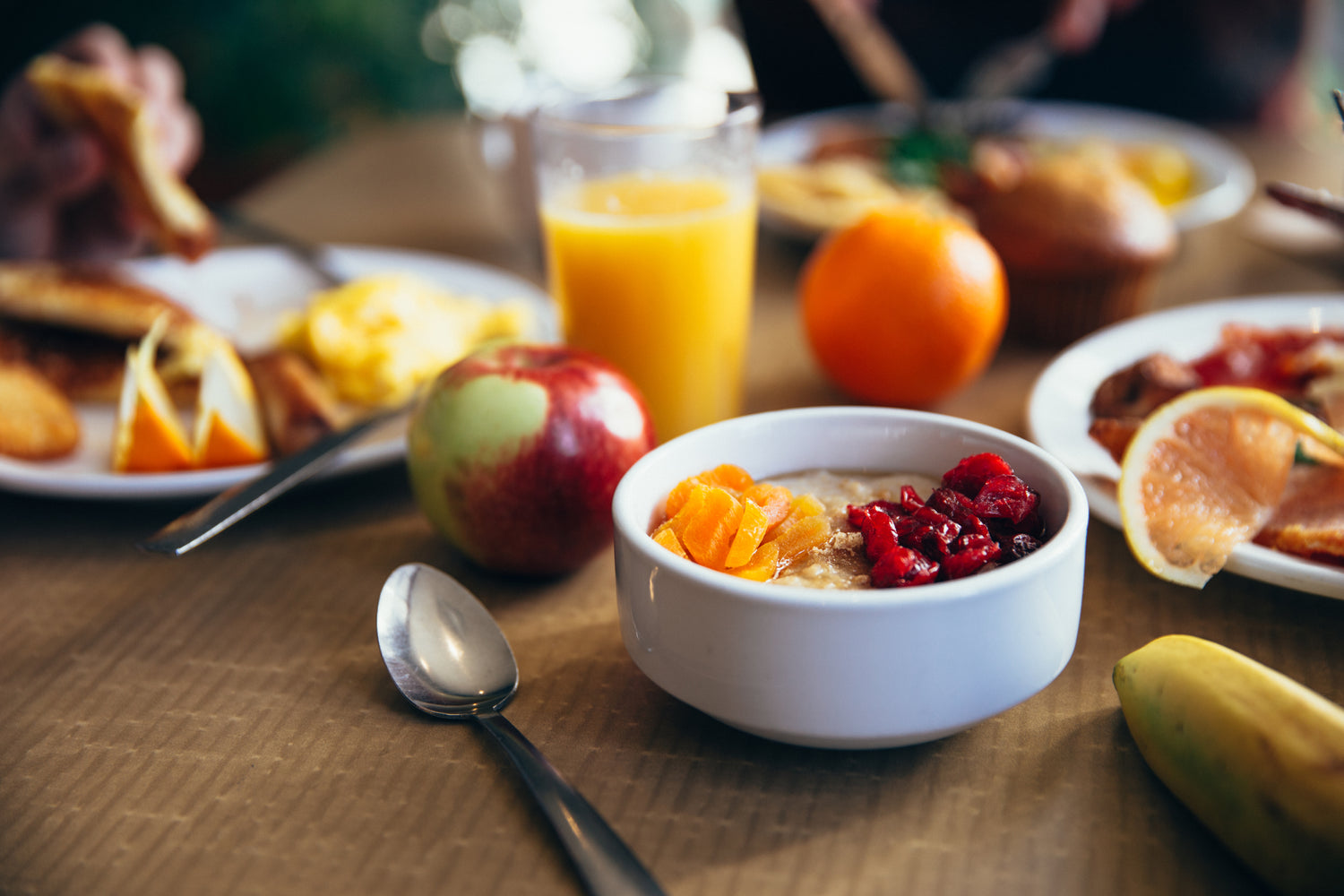
Protein-rich snacks for in between meals
- Almonds, edamame or a boiled egg
- Skyr with berries or a protein bar
- Vegetable sticks with hummus
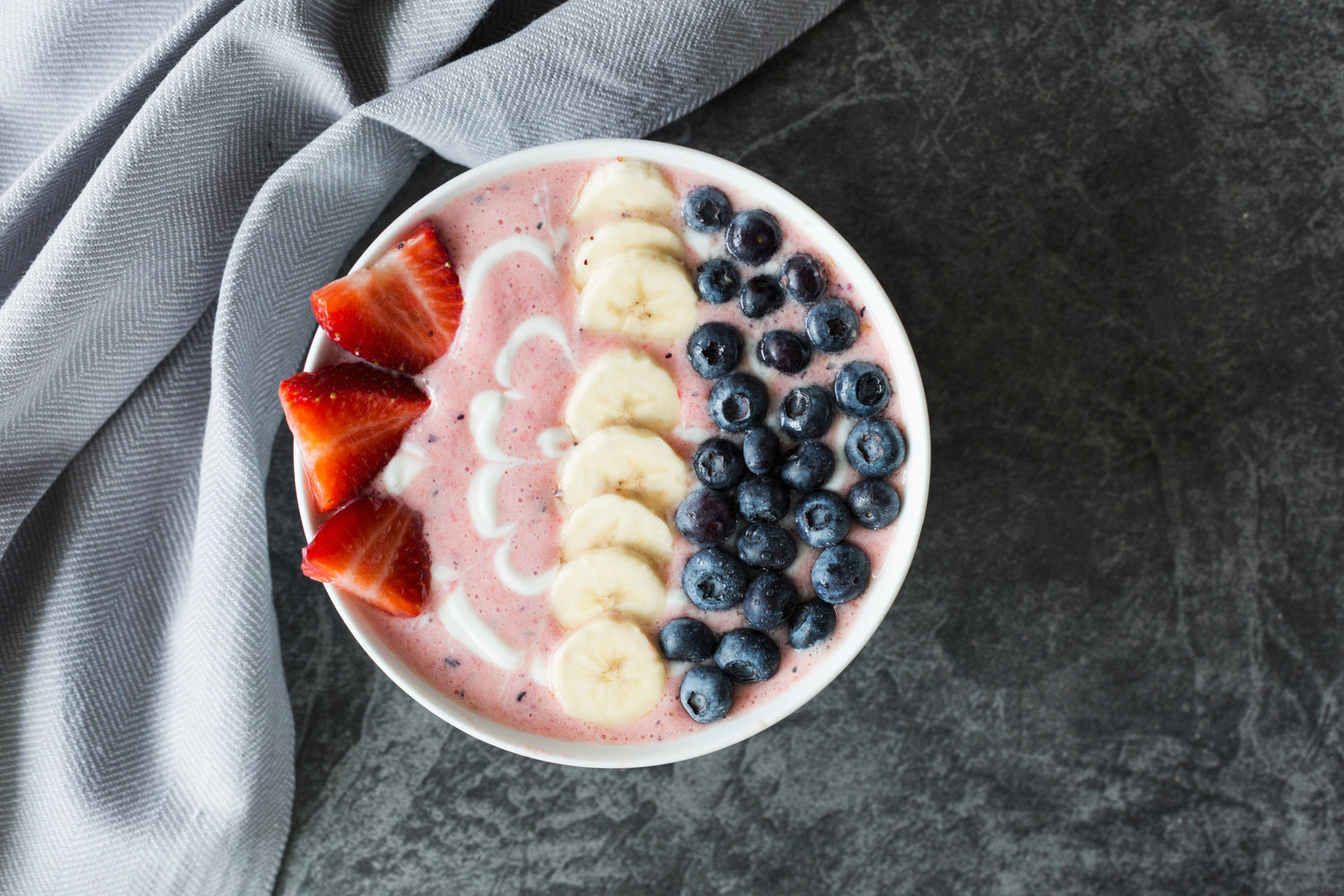
Smoothies & breakfast ideas
Protein smoothie: with soy milk, berries, banana and protein powder
Overnight oats with rolled oats, chia seeds, nuts and skyr
Hearty: Wholemeal bread with turkey breast and cottage cheese
Liquid error (sections/image-banner line 95): invalid url input


FAQ - Frequently asked questions about protein & nutrition
What are quick protein-rich meals?
Simple and effective, for example:
Scrambled eggs with vegetables
Tuna salad
Quark with nuts & berries
Protein shake with banana
What is the difference between egg white and protein?
None - they are two terms for the same nutrient. "Protein" is mainly used in a scientific context, "Eiweiß" is the common German term.
Is too much protein unhealthy?
Bei gesunden Menschen ist eine erhöhte Proteinzufuhr in der Regel unbedenklich. Wichtig ist jedoch eine ausgewogene Ernährung und ausreichende Flüssigkeitszufuhr.