



Ernährung bei
Muskelaufbau: Meal Prep für den Alltag
“Eat plenty of protein and train hard.” You hear that all the time. But the reality in 2026 looks a bit more sobering: it’s not about what you eat, but what your body actually absorbs
6 min. reading time

Wie du diese Lücke schließt und deinen Körper durch gezieltes Essen für Muskelaufbau auf Hypertrophie ausrichtest, darum geht es hier.
Summary
Bulky wallets are a thing of the past. With Wall3t, you get a sleek, compact card holder that slips easily into your pocket without the bulk, keeping your everyday carry clean and comfortable.
Bulky wallets are a thing of the past. With Wall3t, you get a sleek, compact card holder that slips easily into your pocket without the bulk, keeping your everyday carry clean and comfortable.
Bulky wallets are a thing of the past. With Wall3t, you get a sleek, compact card holder that slips easily into your pocket without the bulk, keeping your everyday carry clean and comfortable.
Bulky wallets are a thing of the past. With Wall3t, you get a sleek, compact card holder that slips easily into your pocket without the bulk, keeping your everyday carry clean and comfortable.
Building Muscle While Working a 40-Hour Week
Die klassische Empfehlung der DGE und Barmer lautet: 1,2 bis 2,0 g Protein pro Kilogramm Körpergewicht. Das stimmt, reicht aber als Erklärung nicht weit. Die meisten Menschen scheitern nicht am fehlenden Wissen. Sie scheitern an der fehlenden Vorbereitung. Ein Ernährungsplan, der im Alltag funktioniert, muss robust sein, auch an langen Arbeitstagen.
The Three-Pillar Strategy:
Protein batching:
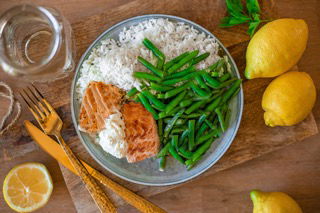
Pre-cook protein sources such as chicken, tofu, or seitan for three days. Important:
Weights in the
cooked
Assessing the condition – water loss during cooking increases the relative protein content per 100 g by about 25%
Carb cycling in everyday life:
On training days, eat complex carbohydrates like sweet potatoes or whole-grain rice; on rest days, increase your fiber intake
Neutralization of antinutrients:
Soak the legumes for at least 12 hours. This breaks down the phytic acid and makes the plant protein truly digestible.

Macros & Micros: Precise Distribution
Anyone seriously interested in building muscle and nutrition can’t avoid looking at specific numbers. Based on data from performance experts such as ESN and Sportnahrung-Engel, the following breakdown emerges:
The "Antinutrient Matrix"
Viele essen eigentlich sauber machen aber trotzdem kaum Fortschritte.
Der Grund liegt häufig nicht im Was, sondern im Wie:
Kaffee und Tee: 60 Minuten nach einer Mahlzeit warten - die enthaltenen Gerbstoffe hemmen die Aufnahme von Eisen und Zink.
Preparation method: Steam instead of fry. Excessive heat alters the structure of amino acids in a way that reduces their bioavailability
Konsistenz schlägt Perfektion
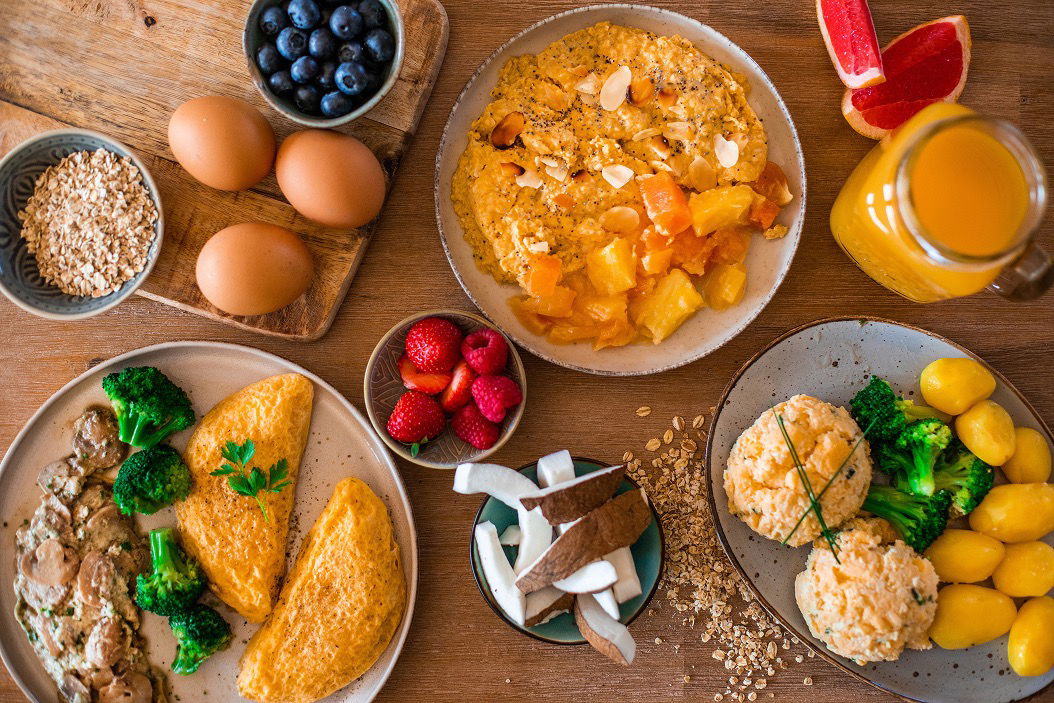
Eating right for muscle building doesn't have to be a full-time job. Once you've established a routine, it runs on autopilot. The right products for muscle building
einzukaufen und durch Meal Prep griffbereit zu haben, nimmt täglich Dutzende kleiner Entscheidungen weg und genau diese Entscheidungen sind es, die langfristig den Unterschied machen.
Questions and answers.
No. Shakes are a convenient option, not a necessity. Your nutritional needs can be fully met through solid foods—meat, fish, legumes. However, right after a workout, a shake does have a real advantage: it’s readily available when solid meals aren’t convenient.
Yes, absolutely. The key is to combine different sources of protein—such as rice and beans—to ensure you get all eight essential amino acids.
A "lean bulk" with a surplus of 200 to 300 calories above your total daily calorie expenditure is the sweet spot. A larger surplus usually leads to fat gain rather than faster muscle growth.
The two depend on each other. Training provides the stimulus; nutrition provides the building blocks. Without stimulus, there is no synthesis; without building blocks, there is no repair. This relationship is often described as 70 (nutrition) to 30 (training)
4 bis 5 Mahlzeiten am Tag helfen vielen, die Proteinzufuhr gleichmäßiger über den Tag zu verteilen. Meal Prep macht genau das im Büroalltag erst realistisch umsetzbar
Follow us on social media


